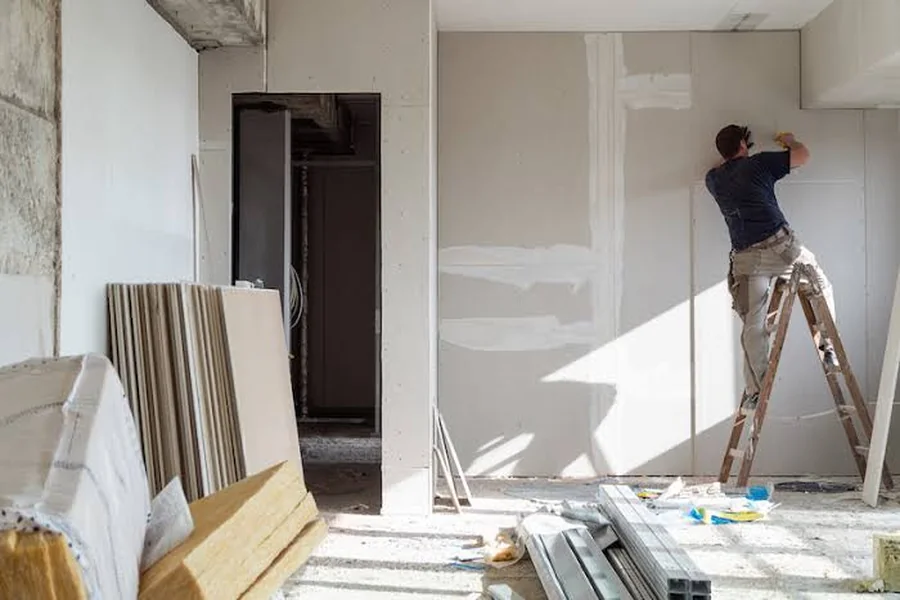
A home renovation mistake can be anything that you decide to do when you are planning your home or constructing it and that decision is ultimately going to cost you additional money, time or quality. The usual suspects: not budgeting enough money, not getting permits, not checking references of the contractor, selecting materials based on appearance, and beginning demolition work before the job is completed. These problems all have one root cause — a too fast start. The trick to making it smooth is to catch them in time to make a long-term difference.
Anybody who has ever done a home improvement project will tell you that it doesn’t always go as you hope. Walls hide surprises. Contractors have bookings that extend beyond typical expectations. The same tile that you fell in love with online is very different when it gets displayed in your kitchen. There’s nothing that says renovation is destined to be a pain, it’s just that a bit of foresight can help a lot. Here are the ones most common that homeowners make and how you can avoid them.
Skipping a Realistic Budget
Most people budget for the renovation they want, not the renovation they’ll actually get. That gap is where the trouble starts. Old wiring, water damage behind drywall, a subfloor that needs replacing — these things don’t show up on a quote until the walls are already open.
A better habit is padding your budget by 15 to 20 percent before you even start collecting quotes. It’s not pessimism. It’s just realistic.
Costs that tend to get missed:
- Labor for licensed electrical or plumbing work
- Price jumps on lumber, tile, or fixtures between the quote and purchase
- Permit and inspection fees
- Somewhere to stay if the kitchen or bathroom is out of commission
- Hauling away debris and old materials
Building in a cushion means you’re not making panicked decisions when the contractor calls with bad news. And they usually do call.
Ignoring Permits and Regulations
Permits feel like paperwork nobody has time for, especially on a smaller job. But skipping them tends to backfire later, usually at the worst possible moment — when you’re trying to sell the house.
Unpermitted work shows up during a home inspection more often than people expect, and buyers get nervous when they see it. Some will walk away from the deal entirely. Others will demand you tear out finished work to bring it up to code, which costs more than just getting the permit would have. Insurance companies aren’t forgiving either; a claim tied to unpermitted construction can get denied outright.
Before any structural, electrical, or plumbing changes, call your local building department. It takes a phone call and a bit of patience, and it keeps you covered.
Choosing Style Over Function
Trends are seductive. You go to a site online and are smitten by a design, and you start designing a whole room around that idea without considering how it’s going to look in the house when you’re living in it.
Open concept kitchens are amazing when it comes to photos. It also means that all utensils in the kitchen sink can be seen from the living room. You can create a statement island that’s beautiful, and at the same time obstruct the natural flow from the fridge to the stove. While it is important to know how to dress well, it is not the only thing that should be considered.
There are some questions to ask before you make a design decision:
- Why did I choose it? Love it or is it popular these days?
- Will it still be relevant five years in the future in my life?
- Will it perform and look good for a year while being used on a daily basis?
Renovations that make you happy are often those that address both beauty and utility – not sacrificed for either.
Hiring the Wrong Contractor
This is where a lot of renovations go sideways. Homeowners get three quotes, pick the cheapest one, and assume they’ve made a smart financial call. Sometimes that’s true. Often, it isn’t.
A bid that’s noticeably lower than the others is worth questioning, not celebrating. It can mean corners will get cut, materials will be swapped for cheaper alternatives, or the timeline will stretch because the crew is overbooked elsewhere. Check licensing. Check insurance. Ask to see finished work, ideally in person, not just photos on a website.
Once you’ve picked someone, talk through the details before work starts — payment schedule, timeline, what happens if something unexpected turns up. A contractor who’s upfront about these things is usually one worth trusting.
Overlooking Proper Planning
There’s a particular kind of excitement that makes people want to start swinging hammers before the plan is finished. It feels like progress. Usually, it isn’t.
Starting demolition before you’ve picked your tile, your fixtures, or your layout means decisions get made under pressure, mid-project, when your options are limited and prices are less negotiable. That’s how timelines slip and budgets balloon.
A plan worth having includes:
- A written scope of work everyone agrees on
- Materials and fixtures chosen and ordered ahead of time
- A timeline with real milestones, not just a start and end date
- An agreed way to communicate with your contractor when questions come up
It feels slower at first. It almost always ends up faster, because fewer decisions are being made on the fly, under stress, with the clock running.
Cutting Corners on Materials
Saving money on materials feels smart at the moment. Sometimes it is. Sometimes it just means paying twice — once now, and again in three years when the cheap flooring starts curling at the edges.
The fix isn’t buying the most expensive version of everything. It’s knowing where quality actually matters. Countertops, flooring, anything that gets touched or walked on daily — that’s where it’s worth spending more. Light fixtures, cabinet pulls, things that are cheap and easy to swap later — that’s where you can save without regret.
It comes down to thinking past the purchase price. What does this cost you over five years, not just today?
Final Thought
Nearly every renovation mistake on this list comes from the same root cause: rushing past the planning stage to get to the fun part. Budget with a cushion. Get your permits. Choose a contractor carefully, not cheaply. Think about how you’ll actually live in space, not just how it’ll photograph. And spend where it counts on materials.
None of this guarantees a perfectly smooth renovation — surprises happen no matter how well you plan. But avoiding these mistakes tilts the odds heavily in your favor, and that’s really all you can ask for going in.