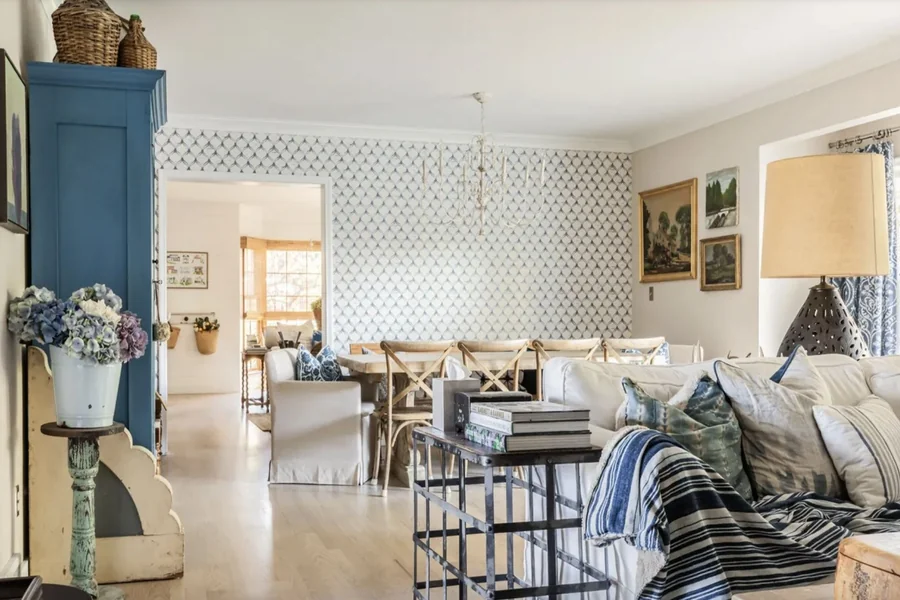
Full remodel refers to a complete rebuild including a new layout, new plumbing and all new stuff. When it comes to remodeling your home, you’re going to have to work with the bones you have because improving with one would be an impossible task.If you want to improve your home, you’re going to have to work with the bones that you have, because otherwise it would be an impossible task to improve with one. It’s a matter of months of building versus a few concentrated weekends. You save money, you have fewer hassles and you still end up with a new home that is truly different.
Why a Full Remodel Isn’t Always the Answer
The thing most homeowners have gotten wrong is that they attribute the problem to the layout when it’s really the finishes. Even if the floor plan is perfect, a dated brass finish and yellowed paint can make the kitchen look old. Change the equipment, paint the cabinets and the “outdated kitchen” is no longer “outdated”.
Prior to engaging a contractor, sit in the room and ask yourself what is it that is bothering you? Does the space feel stale or is it a dull space? Nine times out of ten, it’s the latter and that can be corrected without a sledgehammer.
There is also a business benefit to going with the small side: you are able to try out ideas without investing real funds. Sample a small amount of paint before painting the entire room. Don’t buy it if you don’t try it for a couple weeks first. If it fails, you are out $50; not $50,000.
Paint and Lighting Do the Heaviest Lifting
If you can only do one, do one of the following: Changing a room can be done more simply with a gallon of paint and a weekend than with almost any other project — and at a small fraction of the price that most people think. Avoid getting too caught up with the color choices either. There is no choice; 2 or 3 tones that work together is always better than 5 tones that fight for attention.
It’s a pity that lighting is being forgotten all the time, as it is working much harder than people think. That 1998 overhead fixture is giving your entire living room a vintage look. Change it out and the room looks new without any of the changes. Using multiple lights (ceiling lights, lamps and under-cabinet lights) creates a warm aura that will not be possible with only one overhead light.
A few places to start:
- Ditch the flush “boob light” fixtures for something with actual style
- Install dimmer switches — cheap, easy, and genuinely useful
- Switch to warmer bulbs (2700K–3000K) instead of stark white light
- Try one accent wall before repainting an entire room
None of this requires a permit. Most of it you can undo if you change your mind.
Hardware and Fixtures Matter More Than You’d Think
People underestimate how much a cabinet handle or a faucet affects a room. You touch these things every single day, which means their wear and tear registers even if you can’t articulate why a kitchen feels “off.”
Replace an outdated faucet and the whole sink area looks current — without touching the countertop or a single cabinet box. Same with cabinet pulls. Go from builder-grade brass to matte black or brushed nickel, and a kitchen that felt stuck in 2005 suddenly doesn’t.
It’s the small stuff too — switch plates, doorknobs, even that beige thermostat that’s been on the wall since the house was built. None of it costs much. All of it adds up.
Fix the Layout Without Touching a Wall
You don’t need to knock anything down to make a room feel bigger or more functional. Sometimes the furniture is just in the wrong spot. Pull the couch off the wall. Open up a walkway that’s been blocked by a bookshelf for three years. Small rearrangements can change how a room actually functions.
Clutter is the other silent culprit. Closets, entryways, kitchen counters — these spaces fill up over time, and clutter makes even a large room feel cramped. A few shelves, some baskets, or an actual system for where things go can free up more visual space than you’d expect.
If a room is genuinely tight on square footage, multi-functional furniture helps. A storage ottoman. A fold-down desk. A bed frame with built-in drawers. These solve real space problems without requiring an addition.
Don’t Ignore the Outside
First impressions happen at the curb, not the front door. And curb appeal doesn’t require a landscaping crew. A freshly painted front door, updated house numbers, a mailbox that isn’t rusted — these small touches change how the whole property reads from the street.
Landscaping matters more than people give it credit for, too. Trim the overgrown bushes. Add mulch. Plant something near the entrance. None of this takes a weekend, let alone a season, but it makes a home feel cared for instead of neglected. A power wash on the siding or driveway does something similar — it strips away years of grime and makes everything underneath look newer than it is.
Outdoor lighting rounds it out. Solar path lights along a walkway, or a new porch fixture, take under an hour to install and add both safety and character after dark.
Small Renovations That Punch Above Their Weight
Some projects sit in the middle — bigger than a cosmetic fix, smaller than a full remodel. Worth considering if your budget has a little more room:
- Refacing kitchen cabinets instead of tearing them out
- Replacing a bathroom vanity and mirror without moving any plumbing
- New flooring in just one room — the entryway or kitchen, typically
- A backsplash, which can transform a kitchen almost on its own
- A new garage door, which does more for curb appeal than most people expect
These usually take days, not weeks. No permits, no dumpster in the driveway. They’re a solid middle step if a cosmetic refresh isn’t quite enough but you’re not ready to gut anything.
Final Thought
You don’t have to tear your home apart to make it feel new again. Paint, better lighting, updated hardware, a decluttered closet — these things add up faster than people expect, and they cost a fraction of what a full remodel would run.
Pick one room. Pick one weekend. See what changes. More often than not, it’s the small stuff — not the big demolition — that makes a house finally feel like the home you actually wanted.