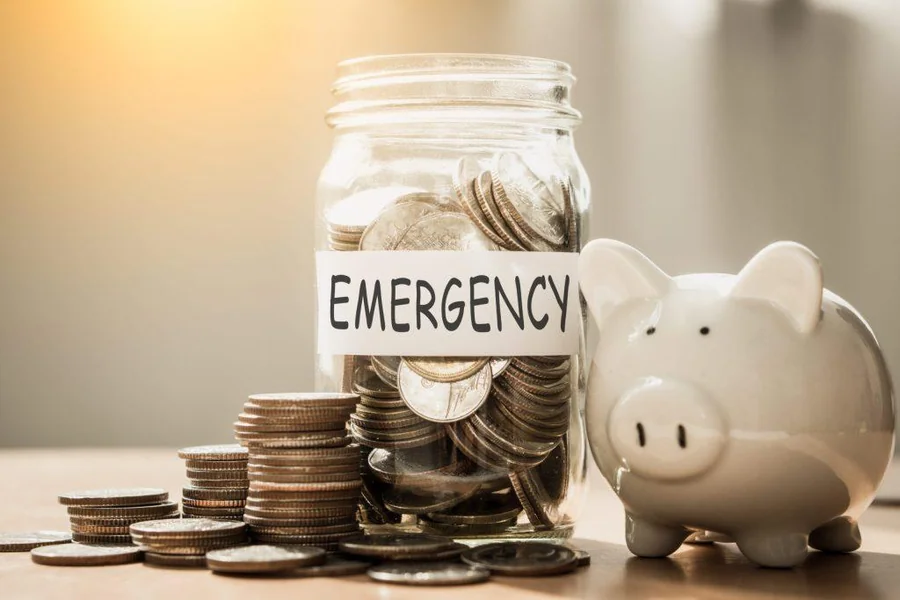
An emergency fund is the cash you put aside solely for emergencies, like a medical bill, car repair or a job loss. It’s not mixed in with your regular cash flow so it can be there when you need it. Generally, three to six months of living expenses is the amount of money that financial advisors recommend saving, although any amount of $500 tucked away will stop one bad week from becoming one bad year. The trouble is not to know you should save, it’s how to get started when money is already tight. Let’s see how to do it practically.
Why This Fund Matters More Than People Realize
Things go wrong. Often, not always. A cracked windshield, an unexpected vet appointment, a furnace that dies in January: These are things that happen all the time, but they can’t be planned. Then most people pay the bills without savings: on their credit cards, from a payday loan, or from family. That’s why a $400 issue becomes a $1200 issue when interest is added to the mix.
An emergency fund puts an end to that. Bad things don’t happen, but it alters your reaction to them. You don’t have to scramble anymore, you simply pay it and face the week.
There is another less obvious advantage, too. When you are stressed about money, it seeps into all aspects of your life — sleep, relationships, focus at work, etc. Those who have saved a small amount typically say that they feel less anxious on a daily basis, not because their lives have become different, but because one fear has shrunk.
Figure Out a Number That Actually Fits You
Skip the generic “save six months of expenses” advice for a second. That number only means something once you know your monthly costs — rent, utilities, groceries, insurance, minimum debt payments.
Add those up. That’s your baseline. If you have stable income and a second earner in the household, three months of that total is a reasonable target. If you freelance, work commission-based sales, or your industry tends to have layoffs, lean toward six months instead.
If the full number feels miles away, don’t stare at it. Break it down:
- Starter goal: $500–$1,000, enough to absorb a minor emergency without going into debt
- Next goal: One full month of expenses covered
- Long-term goal: Three to six months, depending on your situation
Hitting the first milestone usually takes less time than people expect, and that early win tends to make the rest of the process feel less daunting.
Keep It in a Separate Account — Seriously
This part gets skipped a lot, and it shouldn’t. If your emergency fund sits in the same account you use for groceries and Netflix, it’s going to get spent. Not out of carelessness — just because it’s right there, and “I’ll replace it later” is an easy thing to tell yourself.
Open a separate savings account, and if possible, one without a debit card attached to it. A high-yield savings account works well here since your money earns a bit of interest while it sits. Look for one with no monthly fee and no minimum balance — plenty of online banks offer this now.
The separation matters more than the interest rate does. Moving money from savings to checking takes a deliberate step, and that small bit of friction is often enough to stop an impulse withdrawal.
Make Saving Automatic So You Don’t Have to Think About It
Willpower is unreliable. Automation isn’t. Set up a recurring transfer from checking to savings on payday — even $25 counts. The amount matters less than the habit forming.
Once it’s automatic, you stop “deciding” to save every two weeks, which is where most people fall off. You just don’t see that money in checking, so you don’t spend it. As your income grows or a bill gets paid off, bump the transfer up. Most banking apps let you set this in a couple of minutes.
Think of it the same way you think about rent — it’s not optional, it just happens.
Trim Where You Can, Without Making Life Miserable
If there’s not much room in your budget, look for the leaks first before assuming you need to earn more. Most people have at least one subscription they forgot they’re paying for.
Worth a second look:
- Streaming or app subscriptions you barely use
- Takeout that’s crept up in frequency
- A gym membership gathering dust
- Bundled services you could downgrade
You don’t need to cut everything — just enough to redirect somewhere useful. Trimming $100 a month adds up to $1,200 over a year, which is often close to a full starter emergency fund on its own. Treat it as temporary, not a permanent lifestyle downgrade, and it’ll feel a lot less painful.
Use Extra Money to Speed Things Up
Beyond your regular budget, there are usually a few windfalls that pass through your hands each year — a tax refund, a work bonus, birthday cash, an old bike sold on Facebook Marketplace. These are easy wins because you weren’t counting on that money anyway.
Instead of letting it blend into your checking account, send it straight to savings. A single tax refund can sometimes jump you from your starter goal to your one-month goal in one move. It won’t happen every month, but when it happens, it’s worth taking advantage of.
Final Thought
Building an emergency fund from nothing isn’t fast, and it isn’t supposed to be. It’s important that it’s consistent. Do what you can for the time being this week, then set it up to run automatically, and rest assured that small successes will add up over time.
The point is not perfection, it’s a bit between you and a crisis next time. And, finally, it will. If it does, you will be thankful that you have this in place rather than having to come up with it.